Table of contents
Step into a world where warmth and conviviality come together to create unforgettable mealtime memories. Casual Italian dining experiences offer more than just food—they celebrate togetherness, authentic flavors, and the joy of sharing. Discover how this laid-back approach to Italian cuisine can transform ordinary outings into vibrant occasions worth savoring in the paragraphs that follow.
The welcoming ambiance
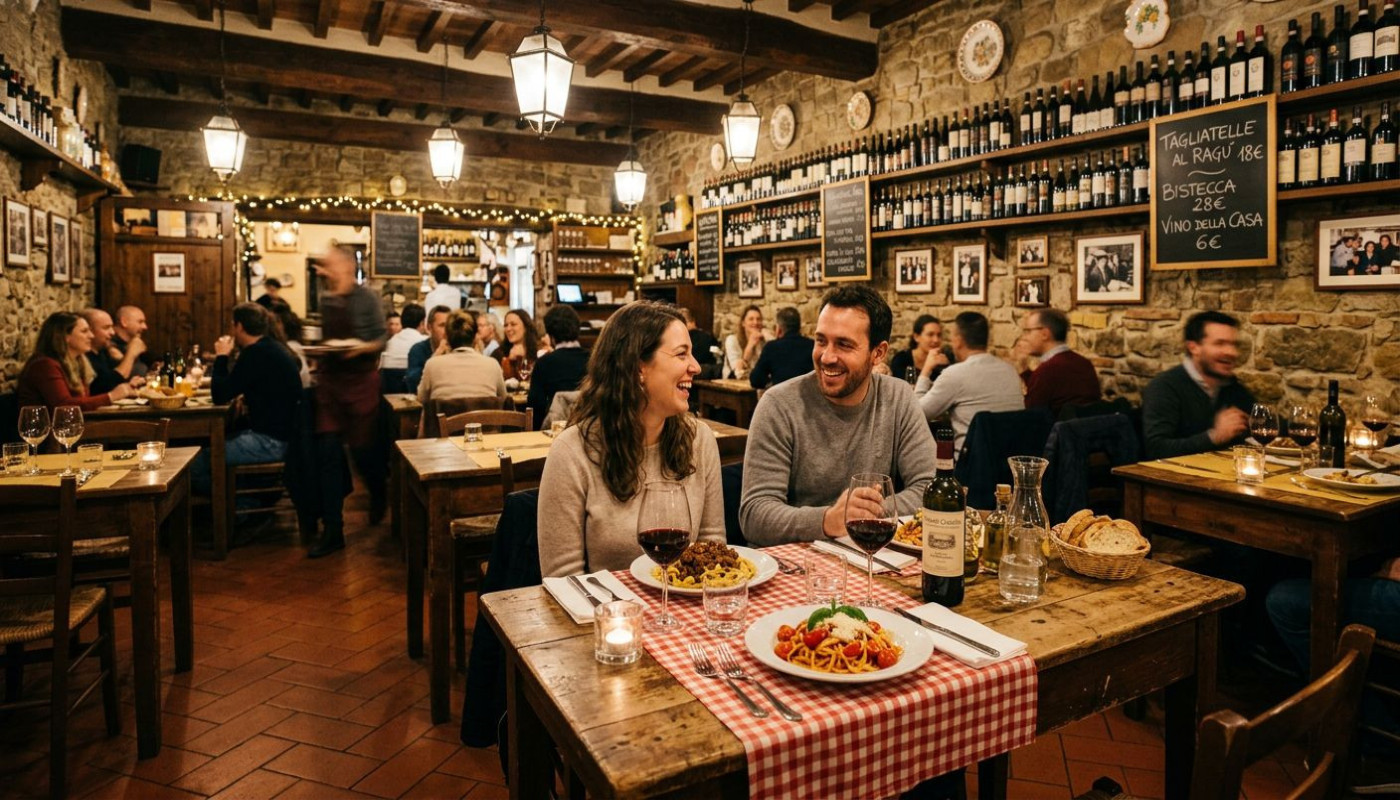
Casual Italian dining settings are renowned for creating a welcoming atmosphere that instantly puts guests at ease. In many casual restaurants specializing in Italian dining, the thoughtful use of rustic décor elements—such as exposed brick walls, wooden beams, and handcrafted ceramics—evokes the warmth of an Italian countryside home. Communal tables are often featured, encouraging guests to engage in lively conversation and share relaxed meals, fostering a sense of community that is central to the authentic experience. The open kitchen concept further enhances this approach, allowing diners to witness the culinary artistry firsthand and enjoy the lively sounds and aromas of Italian cooking.
The meticulous mise en place, the technical term for the precise arrangement of tables and settings, plays a significant role in shaping the overall ambiance. Tables are often set with simple yet elegant flatware, crisp linens, and inviting bread baskets, all carefully placed to signal a commitment to quality and hospitality. This attention to detail ensures that every aspect of the dining environment feels intentional, yet unpretentious, adding to the relaxed and inviting nature of these establishments. The layout encourages guests to linger over their meals, savoring both the cuisine and the connections made around the table.
For those seeking an authentic experience in Italian dining, the fusion of décor, communal seating, and an open, interactive cooking space provides the ideal setting. The result is a harmonious blend of comfort, charm, and genuine hospitality, making casual restaurants a favorite destination for guests looking to enjoy relaxed meals in a truly welcoming atmosphere. This unique combination of elements distinguishes casual Italian dining as a celebration of both food and togetherness.
Flavors of tradition
Casual Italian eateries stand out for their dedication to traditional Italian food, bringing the spirit of Italian comfort food to diners seeking authentic experiences. These establishments often showcase regional recipes, handed down through generations, that highlight distinct local flavors and specialties. Homemade pasta is a cornerstone of this approach, with chefs focusing on the precise "al dente" texture that characterizes genuine Italian cuisine. The use of local ingredients and time-honored techniques results in dishes that are both familiar and inviting, evoking the warmth of Italian home kitchens.
The appeal of these venues lies not only in the dishes but in the atmosphere of shared heritage and relaxed enjoyment. Favorites such as antipasti platters, a variety of handmade pizzas reflecting vibrant pizza culture, and slow-cooked sauces exemplify the unpretentious yet deeply satisfying nature of Italian dining. For those searching for an authentic taste outside of Italy, Best italian in Bangkok serves as a compelling example of how regional recipes and traditional preparation methods can thrive even far from their original home.
Shared plates and conversation
Italian social dining places significant emphasis on commensality, the practice of eating together, which fosters strong social bonds and enriches the dining experience. Shared plates and family style service encourage group meals to become lively events where guests engage in conversations, sample a wide range of flavors, and participate in the collective enjoyment of food. According to sociologists specializing in food and culture, convivial dining in Italy is deeply rooted in tradition, with meals serving as opportunities for both nourishment and connection. The communal aspect of sharing dishes transforms a simple meal into a vibrant social occasion, allowing everyone at the table to interact freely and experience a genuine sense of togetherness.
In group settings, family style service not only provides practical benefits, such as making it easier for guests to try different dishes, but also strengthens group cohesion by promoting interaction. Italian social dining traditions highlight the value placed on conversation, laughter, and shared experiences. This approach to convivial dining has been recognized as a key factor in the enduring appeal of Italian cuisine worldwide. Shared plates symbolize hospitality and inclusivity, inviting each participant to join in the ritual of passing, tasting, and discussing food, which solidifies relationships and creates lasting memories around the table.
From aperitivo to dessert
A casual Italian meal is a celebration of flavors and social connection, best understood through its iconic structure and rhythmic course progression. The experience often begins with the vibrant aperitivo culture, where guests enjoy light, refreshing drinks such as spritz or prosecco, paired with small bites that awaken the palate and set a convivial tone. This practice primes diners for the courses ahead, encouraging conversation and relaxation. Next comes the antipasto, a selection of cured meats, cheeses, or marinated vegetables, followed by the primo—dishes like pasta or risotto that highlight regional ingredients.
The secondo typically features a protein such as fish or meat, accompanied by contorni—seasonal vegetables or salads that enhance the main dish. As the meal progresses, diners savor each course at a leisurely pace, embodying the spirit of Italian meal structure and fostering an atmosphere where eating is as much about pleasure as sustenance. The finale arrives with dessert traditions: from creamy tiramisu to zesty limoncello cake, these sweet treats provide a satisfying end to the culinary journey. After dessert, a digestivo such as grappa or amaro is often served, aiding digestion and inviting guests to linger at the table a little longer. This relaxed approach exemplifies the enduring appeal of Italian leisurely dining, creating memorable experiences rooted in tradition and genuine enjoyment.
The art of simplicity
Simplicity stands as the heart of casual Italian dining, drawing its strength from the use of fresh ingredients and an approach best described as culinary minimalism. Simple Italian dishes often rely on just a handful of components—think ripe tomatoes, extra-virgin olive oil, and hand-made pasta—yet manage to deliver a depth of Italian flavors that captivate even the most discerning palates. This method celebrates the terroir, connecting each ingredient to its region of origin, and respecting the traditions that make every bite a reflection of local culture and heritage.
Quality cooking in this context means letting the ingredients speak for themselves, avoiding unnecessary techniques or embellishments that might overshadow their true character. The enduring appeal of such cuisine lies in its honesty: diners savor the bright acidity of tomatoes from Campania or the subtle spiciness of Calabrian olive oil, flavors enhanced by straightforward preparation rather than masked by complexity. Embracing simplicity is not merely a stylistic choice but a philosophy that defines Italian dining, ensuring each meal feels both accessible and deeply authentic.
Similar articles


